Say Goodbye to Heavy Laundry Days: How an Air-Powered Laundry Collection System Works
Carrying a full laundry basket down two flights of stairs, several times a week, is the kind of chore that adds up quietly until it becomes a genuine daily hassle. An air-powered laundry collection system removes that trip entirely: drop clothes into a wall port anywhere in the house, and vacuum suction carries them straight to the laundry room through a sealed pipe network.
This guide covers how the system actually works, what makes it different from an old-fashioned gravity chute, and the practical details worth knowing before installing one in a home, hotel, or hospital.
How an Air-Powered Laundry System Actually Works
Unlike a traditional laundry chute, which relies on gravity and needs a straight vertical shaft, an air-powered laundry collection system uses vacuum suction to move laundry through a network of pipes, typically around 6 inches in diameter. Because the system pulls rather than drops, the piping can run horizontally, turn corners, and reach rooms that wouldn't have a clear vertical path to the laundry room.
Opening a wall port activates the vacuum unit, which draws the laundry through the sealed pipe to a collection point, usually a catch chamber in the laundry room. Close the port and the system powers down immediately, so it isn't running continuously in the background like a ducted vacuum system might.
Ports, Coverage, and What the System Can Handle
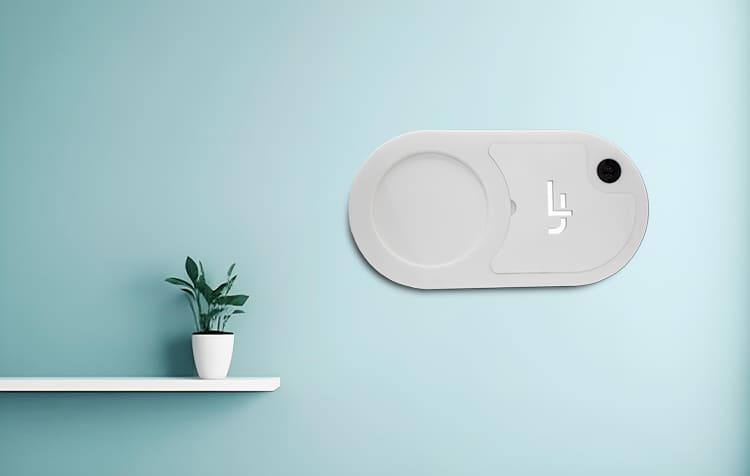
A typical residential setup supports up to eight ports placed in different rooms, such as bedrooms, closets, or bathrooms, each opened either with a manual slide or a motion sensor. The pipe network behind the walls can extend up to around 200 feet, which is generally enough to cover an entire house from a single central unit.
The system handles the laundry items people actually generate day to day: shirts, jeans, bed sheets, towels, and even damp towels straight out of the shower. It isn't designed for delicate items with buckles, zips that could catch, or anything that isn't laundry, since those can snag inside the pipe network.
The Two-Way Feature Most People Don't Know About
What often gets missed is that the system doesn't have to be one-way. An optional return unit, usually unpowered, uses the same airflow generated by the main system to send clean, dry laundry back from the laundry room to a bedroom, closet, or dressing area. That turns a one-way laundry chute into a genuine two-way system, removing the return trip upstairs with a full basket of clean clothes as well.
Where This Makes the Biggest Difference
For a family home, the biggest difference shows up in multi-story houses and villas, where laundry has historically meant multiple trips up and down stairs every week. For hotels and hospitals, the same mechanism speeds up linen turnover and cuts down on staff carrying soiled linen through guest corridors or patient areas, which also reduces the cross-contamination risk that comes with manual handling.Safety, Ergonomics, and Reduced Injury Risk
Lifting and carrying heavy, wet laundry loads repeatedly is a genuine, well-documented source of back strain, and it's one of the more common repetitive-movement complaints in housekeeping and hospitality staff specifically. Removing the manual carrying step removes that risk at the source rather than trying to manage it with lifting technique training alone.
Energy Use Compared to Manual Collection
Because the vacuum unit only runs while a port is open, the system draws power in short bursts rather than continuously. Compared to running an elevator or a cart-based collection route in a commercial setting, this on-demand operation keeps energy use tied to actual usage rather than a fixed schedule.
Is It Right for Your Property?
The clearest case for an air-powered laundry collection system is a multi-story villa or home where laundry currently means carrying baskets between floors, or a hotel or hospital where linen volume and turnaround time matter. Retrofitting an existing property is possible in most cases, though the exact port placement and pipe routing depend on the building's layout, which is worth having assessed before committing to a design.
An air-powered laundry collection system solves a problem most households and hospitality operations don't realize has a fix: laundry keeps happening at the same pace, but the carrying, lifting, and stair trips disappear. Between the vacuum-powered ports, the optional two-way return, and the on-demand power draw, it's a rare home upgrade that saves both physical effort and ongoing running costs.
Frequently Asked Questions
Recent Post
The Revolutionary Air-Powered Solution...

Home and Building Automation in Dubai...